

The Macro Storm Beneath the Surface: What Retail Traders Need to Prepare For
FOMC decision tomorrow — but the real story stretches far beyond a single meeting.

Tomorrow’s FOMC decision will dominate financial news networks, social media threads, and everyone’s favorite Fed-watching rituals. But one meeting doesn’t determine your trading success in 2026.
The structural forces underneath economic policy will.
Last week, I attended the Global Interdependence Center’s (GIC) College of Central Bankers (CCB) private and public sessions in New York City. Portions of the meeting were under Chatham House rules, which prevent attribution, but the themes were unmistakable — and far more candid than the public speeches.
Below is the big-picture view of what’s coming and how retail traders can position for it.
For the full discussion, Greg Jensen and I broke it all down on The Everyday Trader:
👉
A New Regime: More Volatility, Less Predictability
The 2010–2020 “free money era” is over.
What replaces it is messier, more volatile, more political — and more opportunity-rich for traders who know how to manage risk.
Here are the six macro forces shaping the next two years.
1. Fiscal Dominance & Higher-for-Longer Rates
Policymakers privately acknowledge what the public statements dance around:
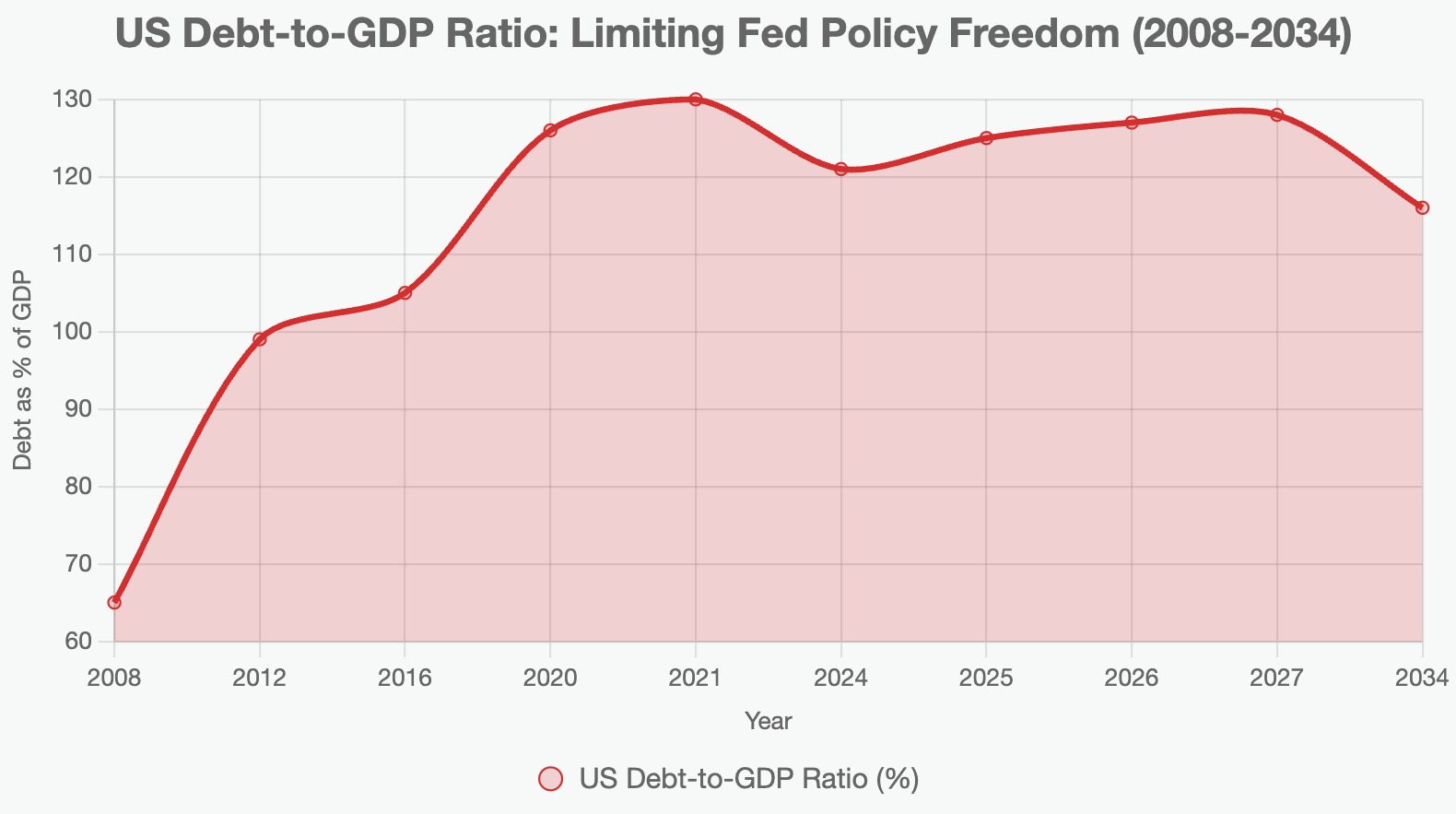
The debt load is now so large that it constrains what monetary policy can realistically do.
This isn’t a forecast — it’s simple arithmetic.
As interest expense eats the federal budget, the Fed’s ability to slash rates aggressively diminishes.
What this means for traders:
Rates will stay higher for longer, even if growth cools.
Quality balance sheets matter again (AAPL, MSFT, GOOGL, BRK, JPM).
Hedging via SPY/QQQ put spreads and TLT becomes more valuable.
Defined-risk trades (verticals, diagonals) shine when uncertainty persists.
2. AI Is a Capital Supercycle — Not a Bubble
Behind closed doors, policymakers are no longer debating whether AI is transformational. The only question is how fast the industrial build-out occurs.
This isn’t just NVDA selling GPUs.
It’s power grids, data centers, industrials, copper, software, and labor markets — all shifting simultaneously.
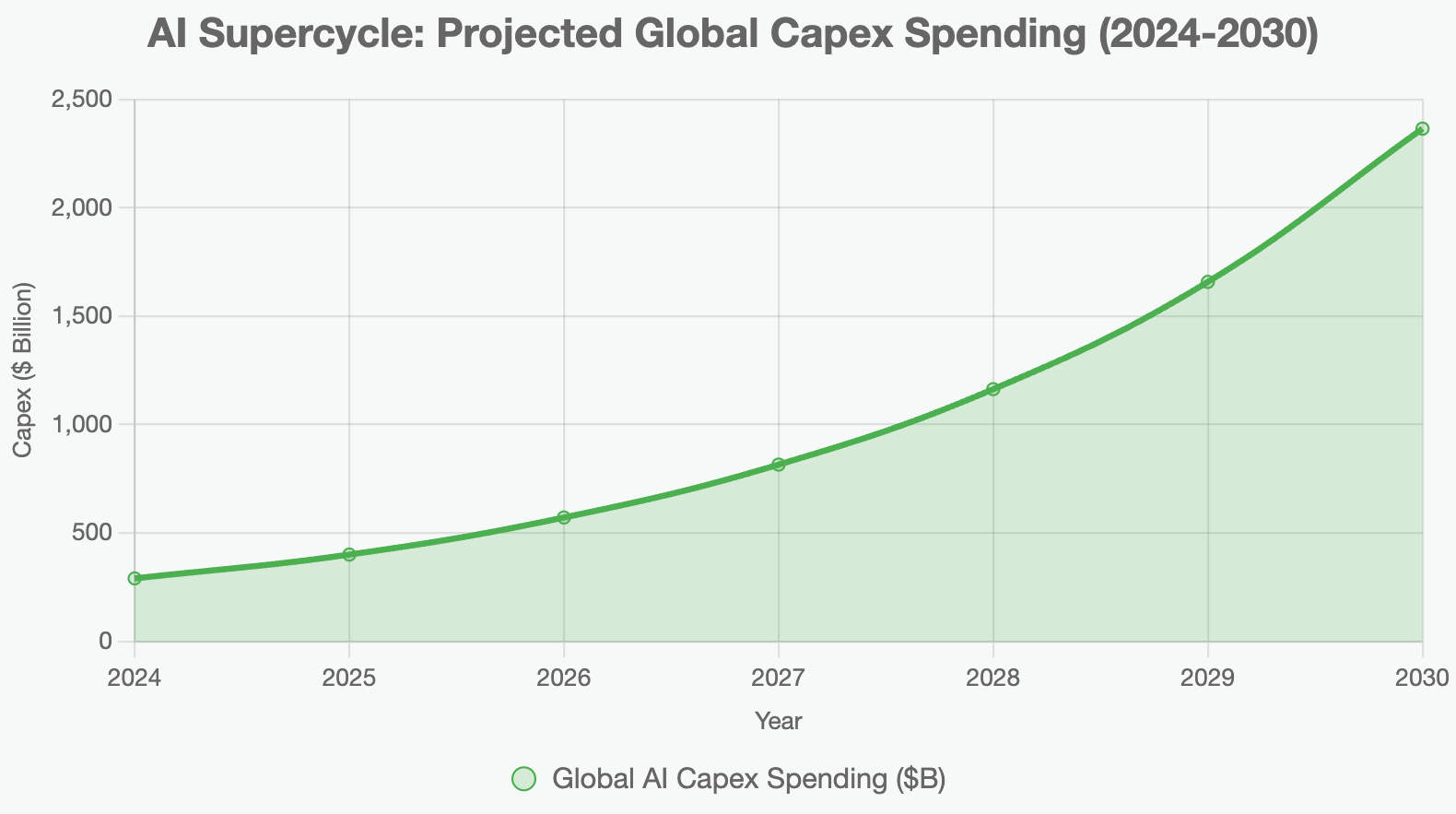
This single chart explains why Nvidia, TSMC, Microsoft, Amazon, Google, Meta, Broadcom, and the entire power & utilities complex are in multi-year capex booms.
Where the opportunities may cluster:
Semis: NVDA, MSFT (Azure AI), GOOGL, MU
Software: PLTR, SNOW
Infrastructure: SMCI, NEE, D, XEL
Materials/Industrials: FCX, CAT, HON, DE
ETFs: SMH, SOXX, IGV, XLI, XLU
This is not “dot-com 2.0.”
This is the plumbing of a new industrial era.
3. Private Credit & Hidden Leverage
This was arguably the most concerned tone I heard at the conference.
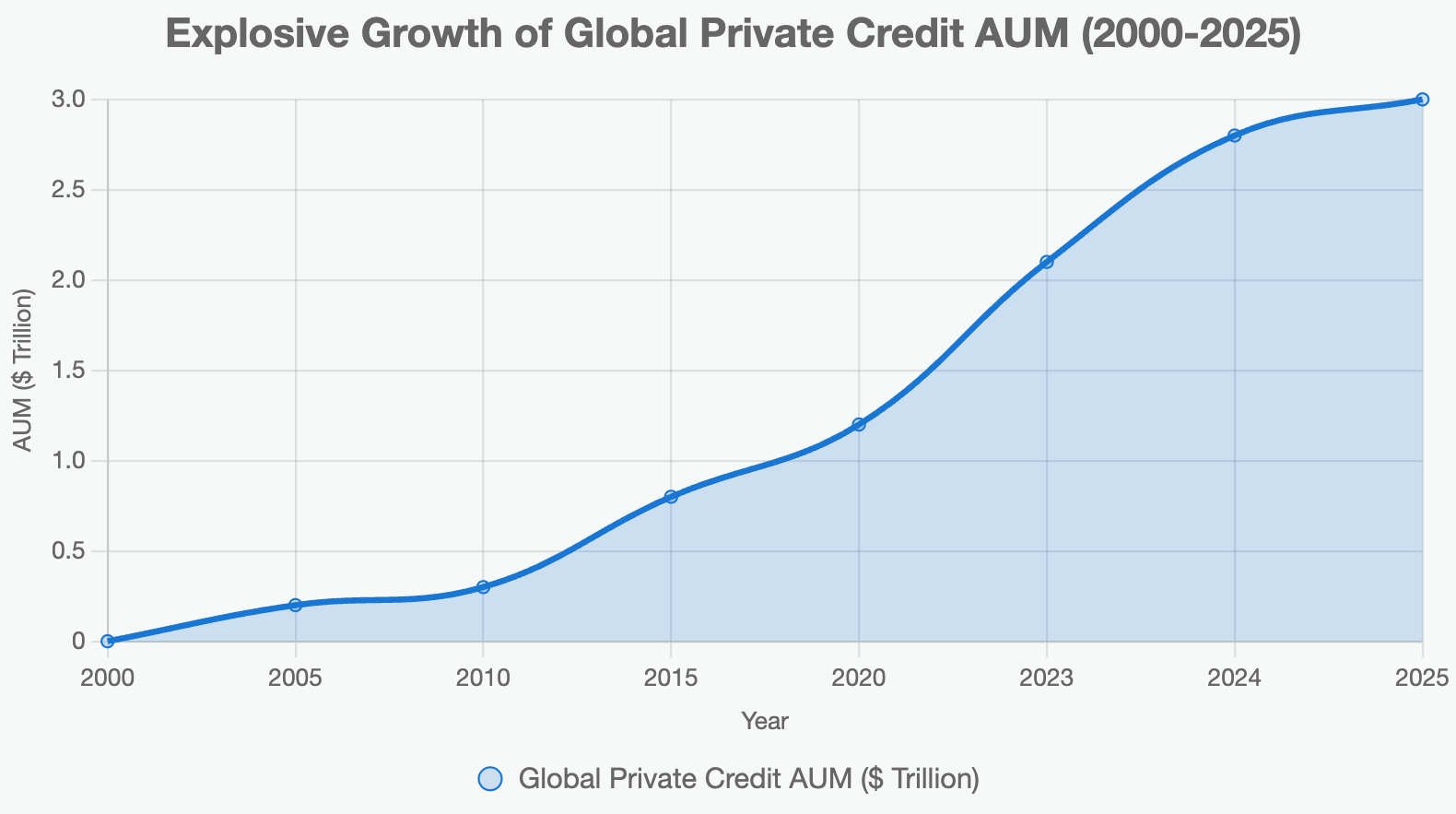
Private credit has exploded — and unlike banks, these lenders don’t report weekly data.
Less visibility → slower policy transmission → more risk when stress builds.
Trading implications:
Key players BX, ARES, APO, KKR, ARCC, BXSL, and OBDC
Watch HYG, JNK, and IWM for early stress signals.
Favor companies with fortress balance sheets during uncertainty.
Expect volatility spikes when hidden leverage surfaces.
Retail traders with disciplined exits and risk structures have the advantage here.
4. Dollar Volatility & the Reserve Currency Debate
No one credible thinks the dollar collapses tomorrow.
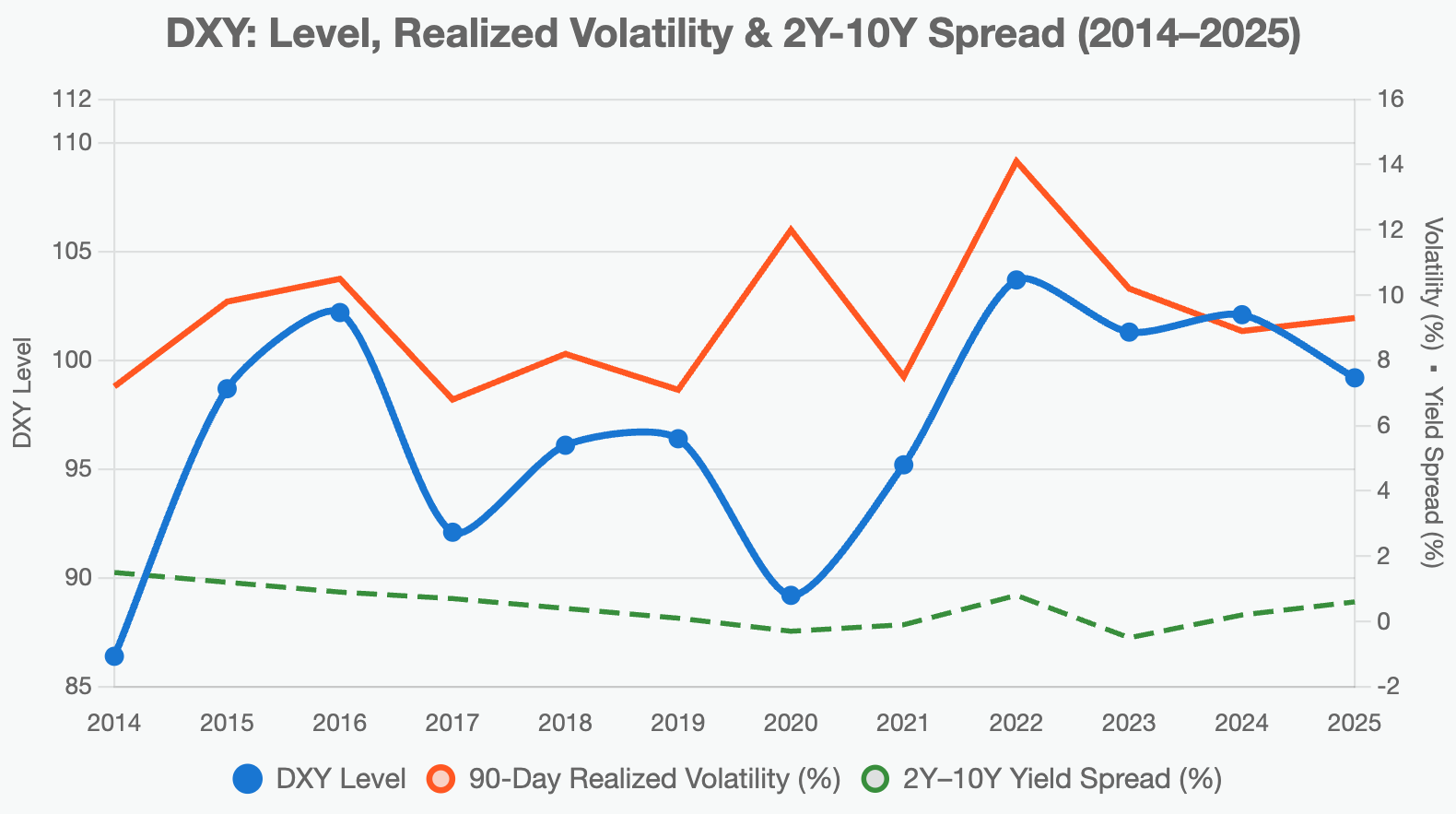
But senior policymakers do see increasing friction — geopolitics, trade fragmentation, and competing currency blocs.
The takeaway isn’t collapse.
It’s volatility.
Why traders should care:
Earnings for AAPL, TSLA, MSFT, and multinationals swing on currency translation.
UUP, FXE, FXY offer clean directional FX exposure.
Low FX IV makes occasional long-volatility trades attractive.
5. Central Bank Independence & the Next Fed Chair
Publicly, this topic gets brushed aside.
Privately, the tone shifts — dramatically.
The next Fed Chair matters more than markets currently price.
While the betting odds favor names like Hassett or Bessent, or even Warsh, most insiders overwhelmingly lean toward Christopher Waller for continuity and credibility.
Get the wrong chair at the wrong moment, and you raise odds of:
Policy mistakes
Sticky inflation
Liquidity shocks
A higher-volatility regime (VIX 30–40 baseline)
Retail traders need to structure portfolios with protection in mind — not fear, but respect for policy risk.
Collars, long puts, and opportunistic volatility strategies can all make sense here.
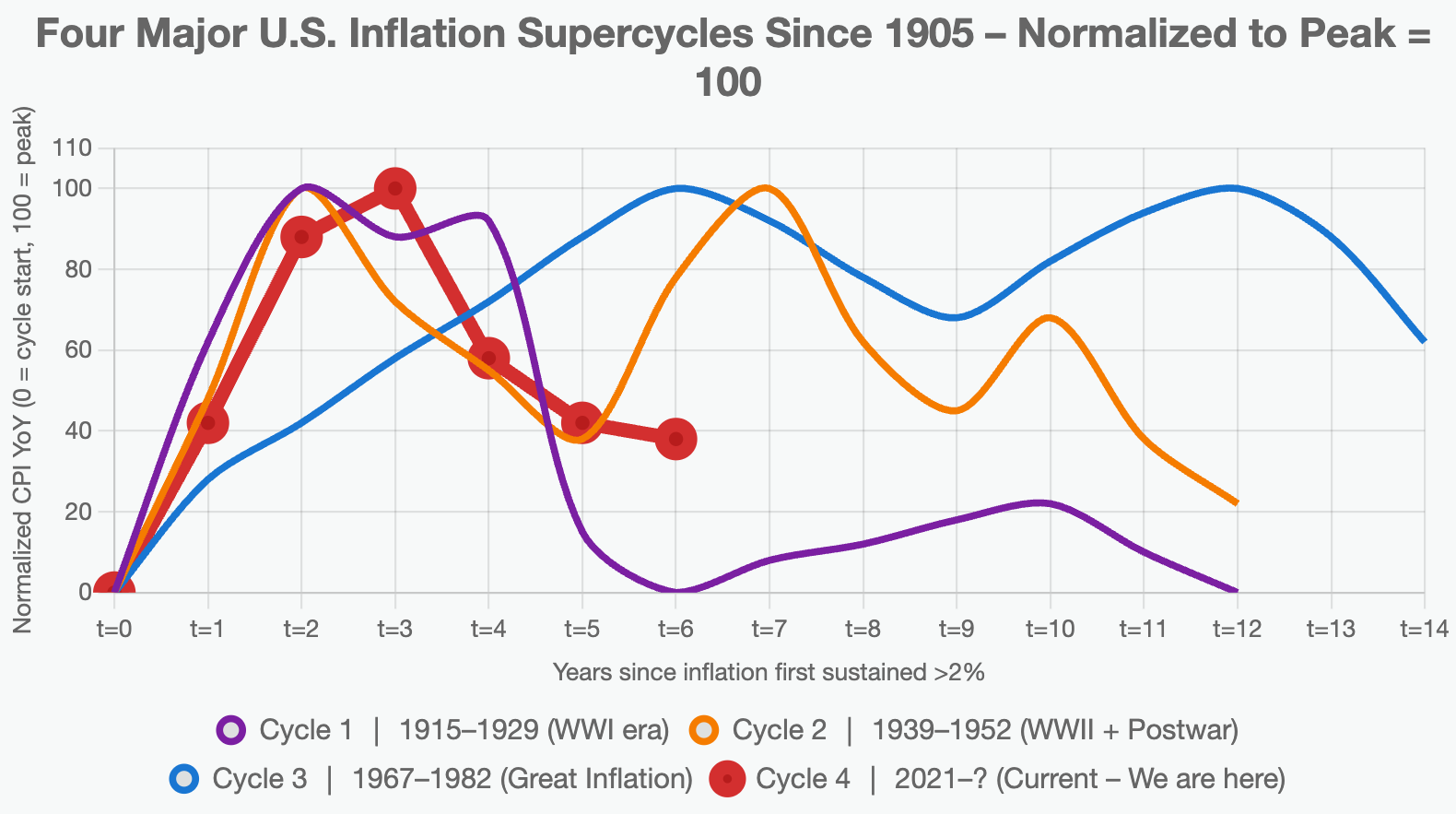
6. Tariffs, Protectionism & the Inflation “Second Hump.”
Globalization is unwinding at the margins, and both political parties are embracing tariffs.
Tariffs function like a tax → higher input costs → higher consumer prices.
This can create the classic inflation double hump if policymakers cut rates too soon.
Beneficiaries & laggards:
Potential beneficiaries: XLI, HON, CAT, DE, TSLA, WMT, COST
Margin-sensitive areas: import-heavy retailers, manufacturers with limited pricing power
This isn’t the apocalypse.
It’s an inflation floor that traders must understand when building spreads and hedges.
So What Should Retail Traders Do With This?
Three practical steps:
1. Focus on defined-risk options strategies.
Verticals, diagonals, and calendars (on equities, not VIX) allow participation without blowing up on macro surprises.
2. Lean toward companies with strong balance sheets.
Quality outperforms when credit cracks.
3. Use hedges strategically.
SPY/QQQ put spreads, collars on core equity positions, and TLT when rate volatility becomes extreme.
This is not the era of passive complacency.
This is the era of disciplined, informed traders.
Watch the Full Episode
Greg Jensen and I walk through each theme in depth — along with examples of spreads, hedges, and real-world trade setups grounded in today’s environment.
👉
Eric Hale
OptionsANIMAL/Trader Oasis